Antique Stirrups
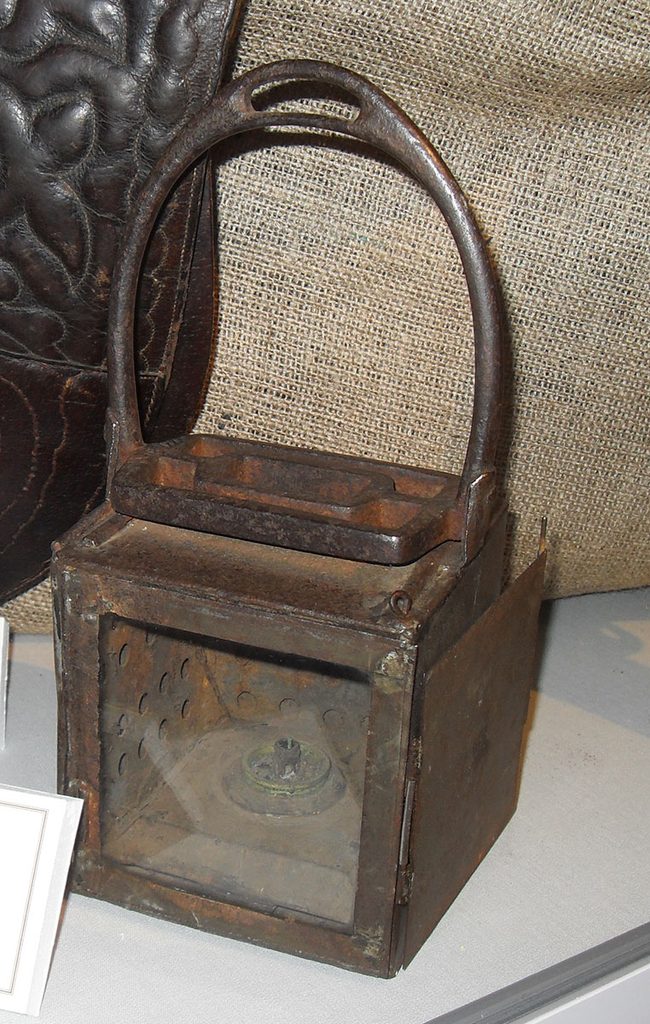
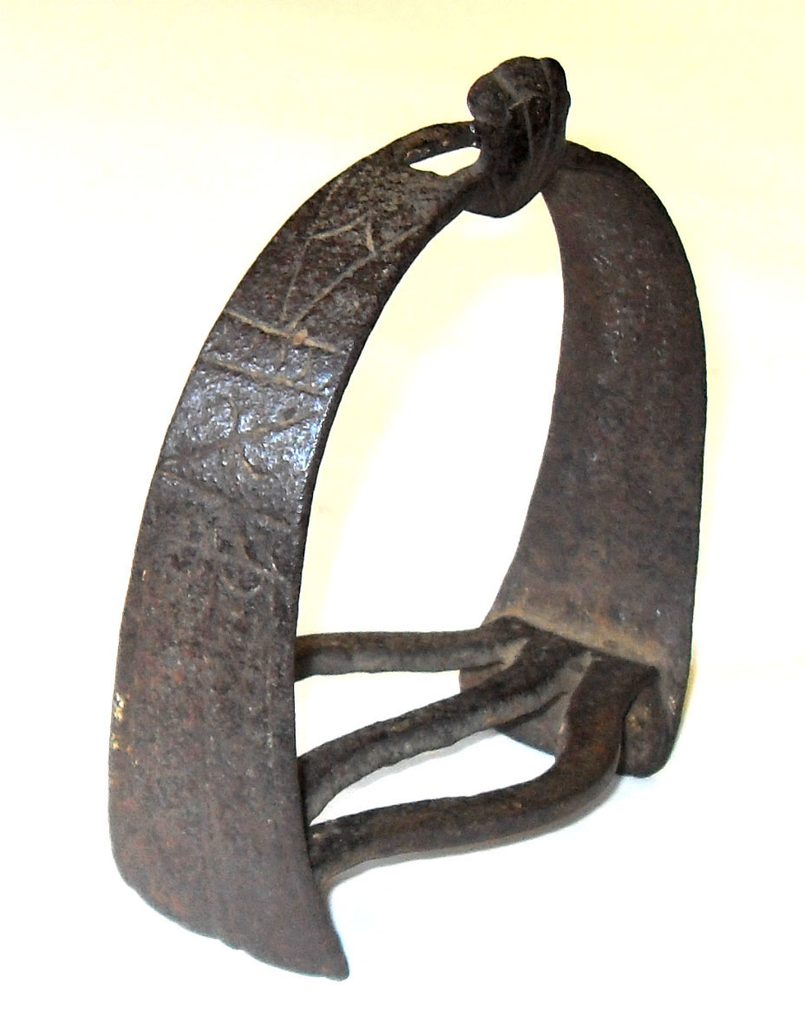
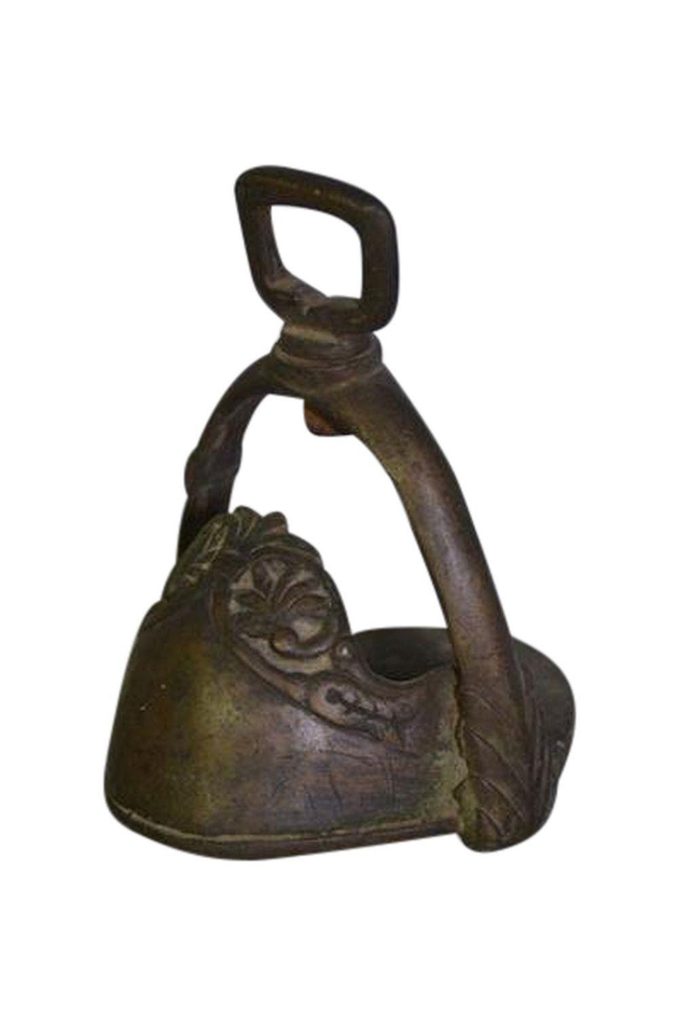
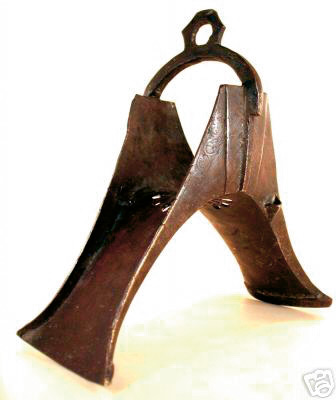
Unusual South American Ladies’ stirrup. The hood on the front of this stirrup would have been a safety feature to prevent the foot from going right through in the case of a fall. Made of brass.
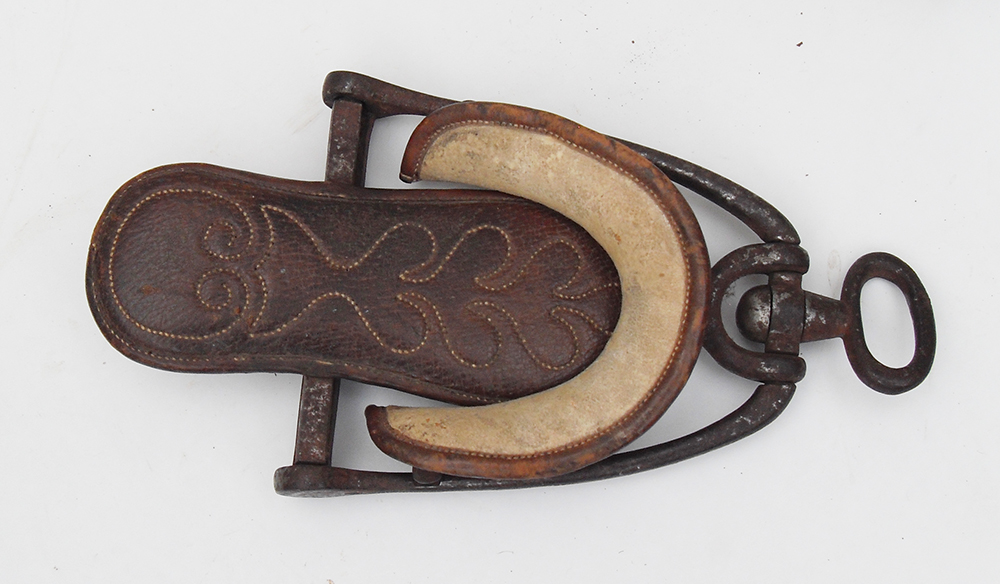
We have several hundred stirrups from all over the world in our collection. They are not all on show at once, so if you are researching something in particular, please contact us first so we can get out anything relevant.
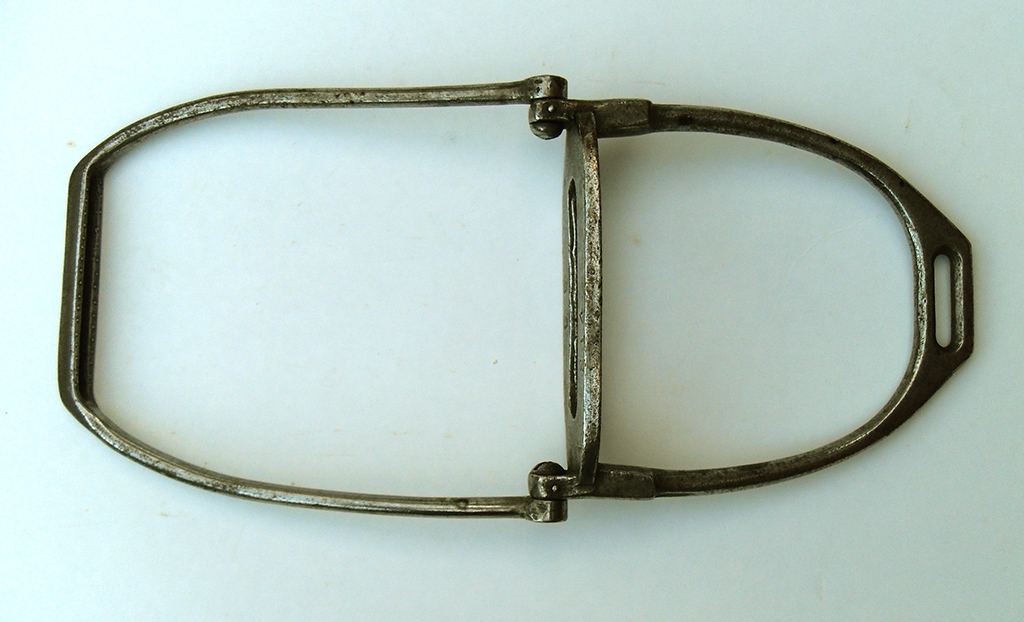
A stirrup from the stables of the Sultan of Agadir. Morocco. The notch on the side was to rest the spear on. Bronze. 19thC. Or possibly earlier.
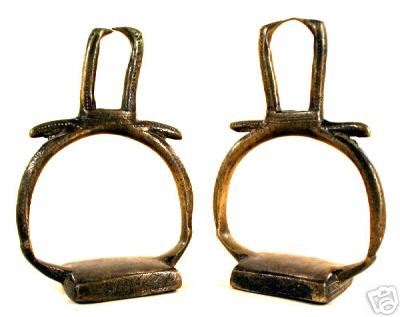
Bronze stirrups from the Cameroons. North Africa. Thought to be late 19thC or early 20thC.
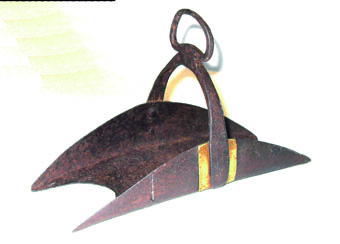
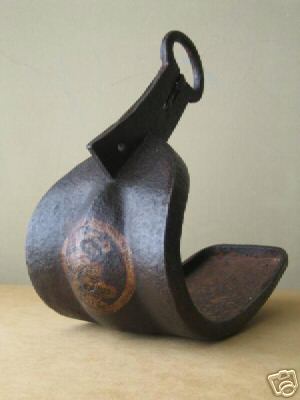
Japanese Samurai Stirrup. Metal with lacquer decoration. mOst Japanese items were lacquered to protect them from the extreme humidity
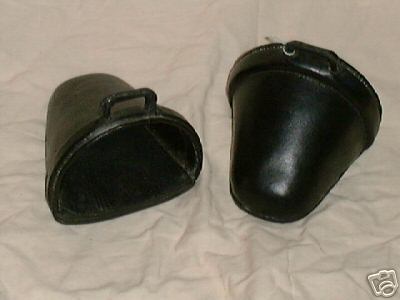
Child’s English Clog stirrups. These were a form of safety stirrup because the child’s foot could not slip through them and get stuck.