Antique Horse Shoes
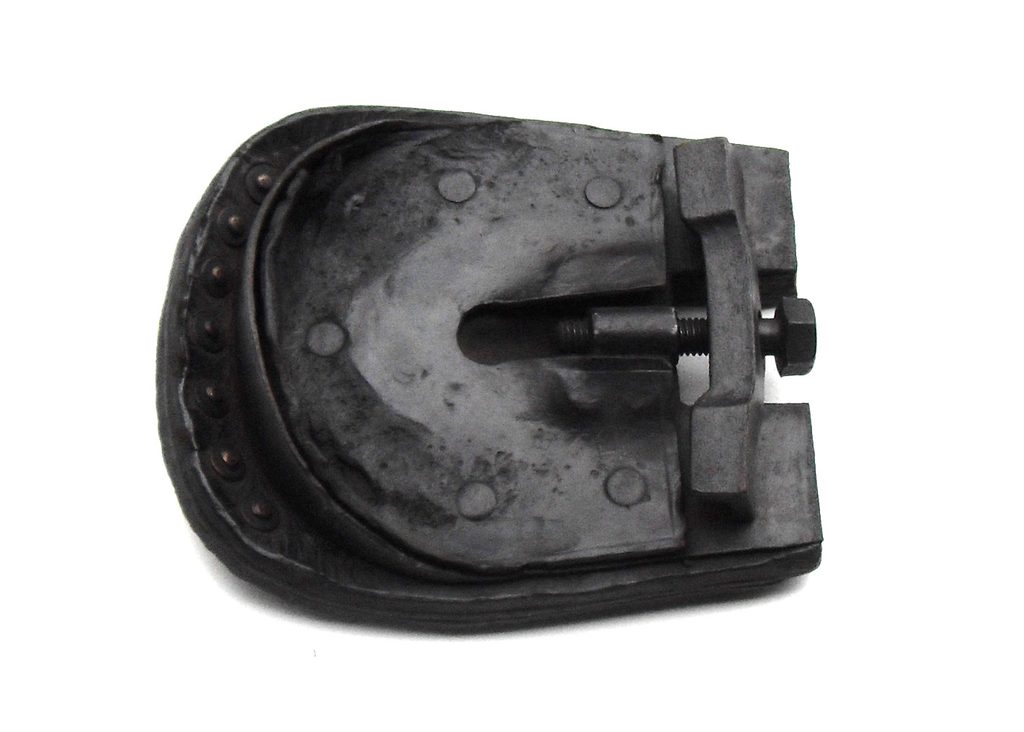
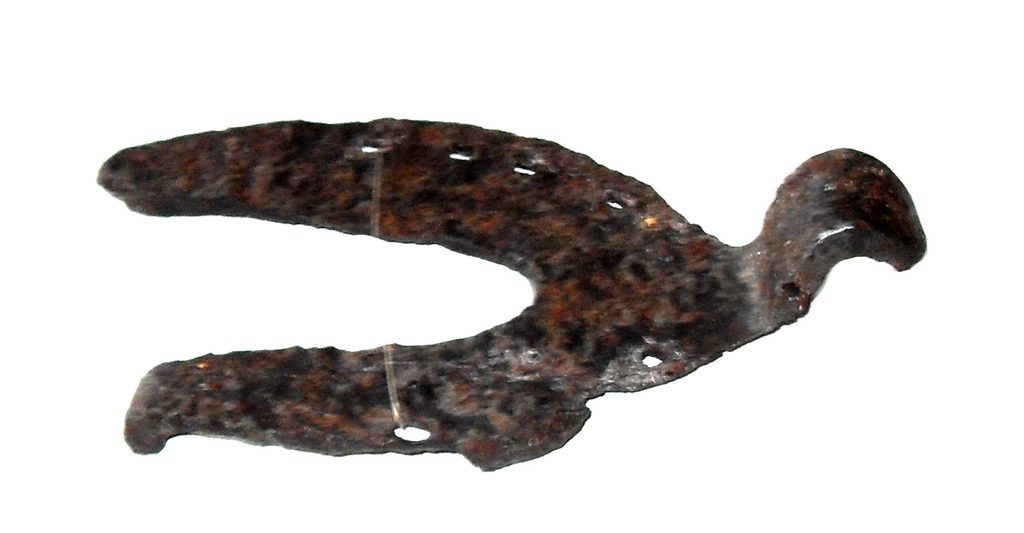
17thC Break Over shoe for a horse that has pulled its tendon. The hook, which is partially broken off, would have reached the ground as the horse walked and prevented it from flexing the tendon.
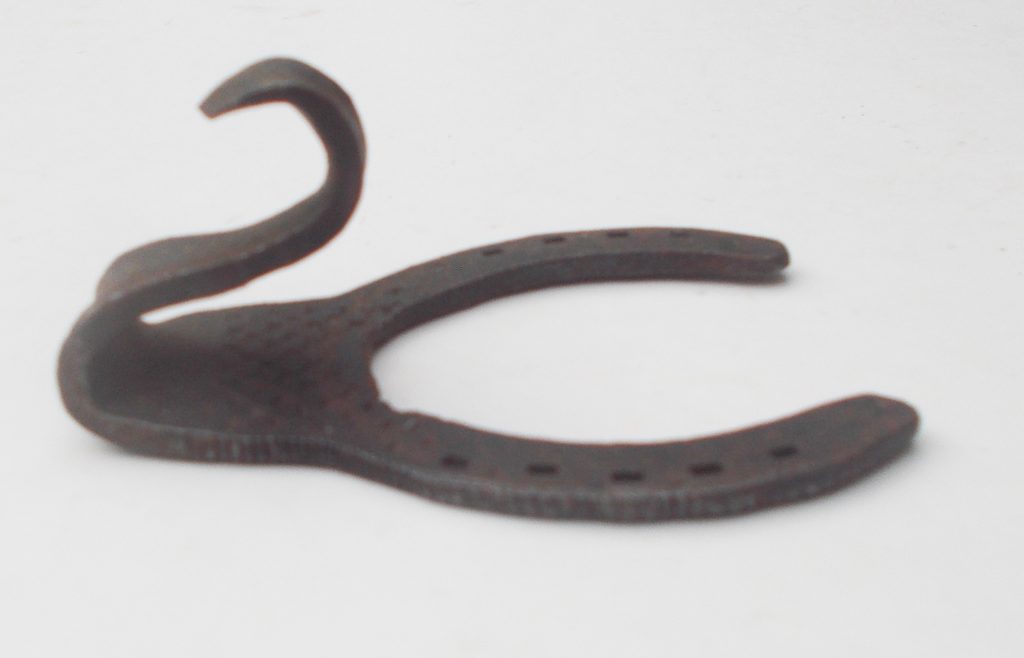
A 20thC tendon shoe with the protruding toe forming the same purpose as the 17th C one above.
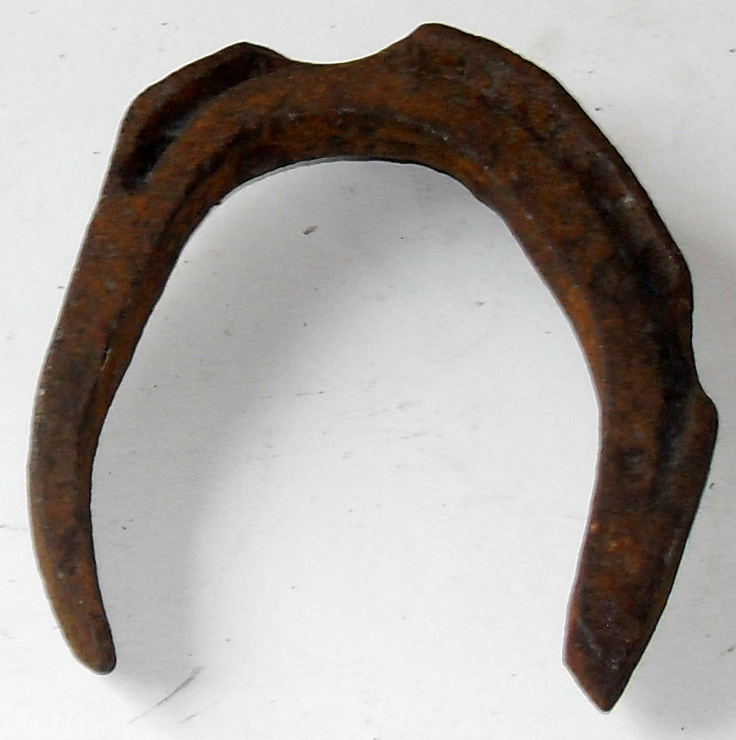
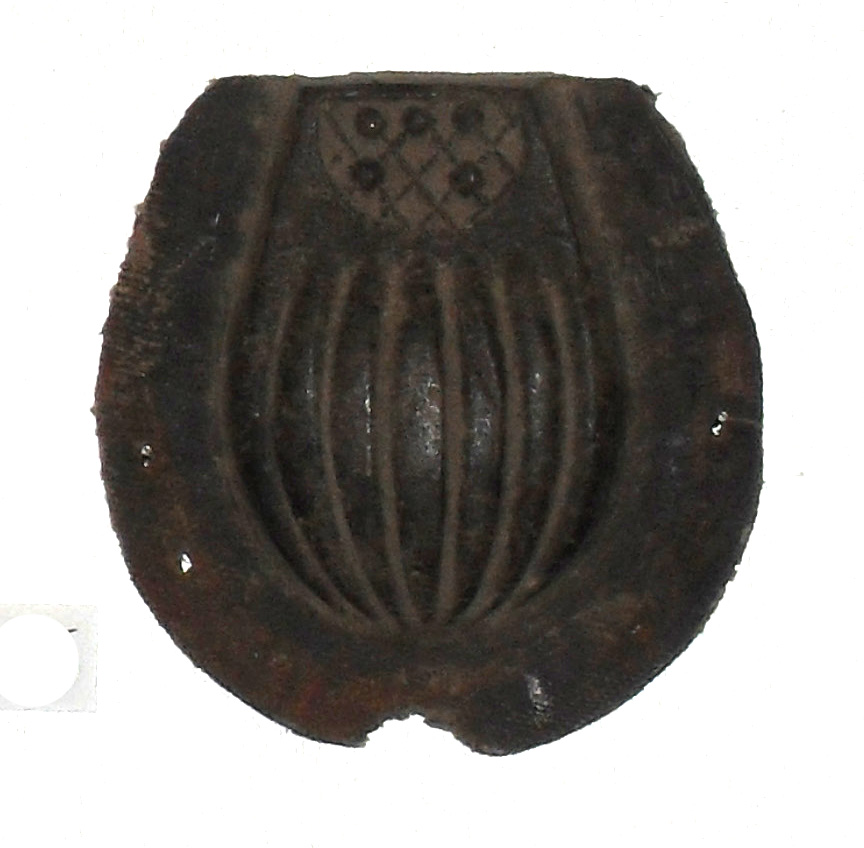
A Victorian concussion pad that would have fitted between the shoe and the hoof.
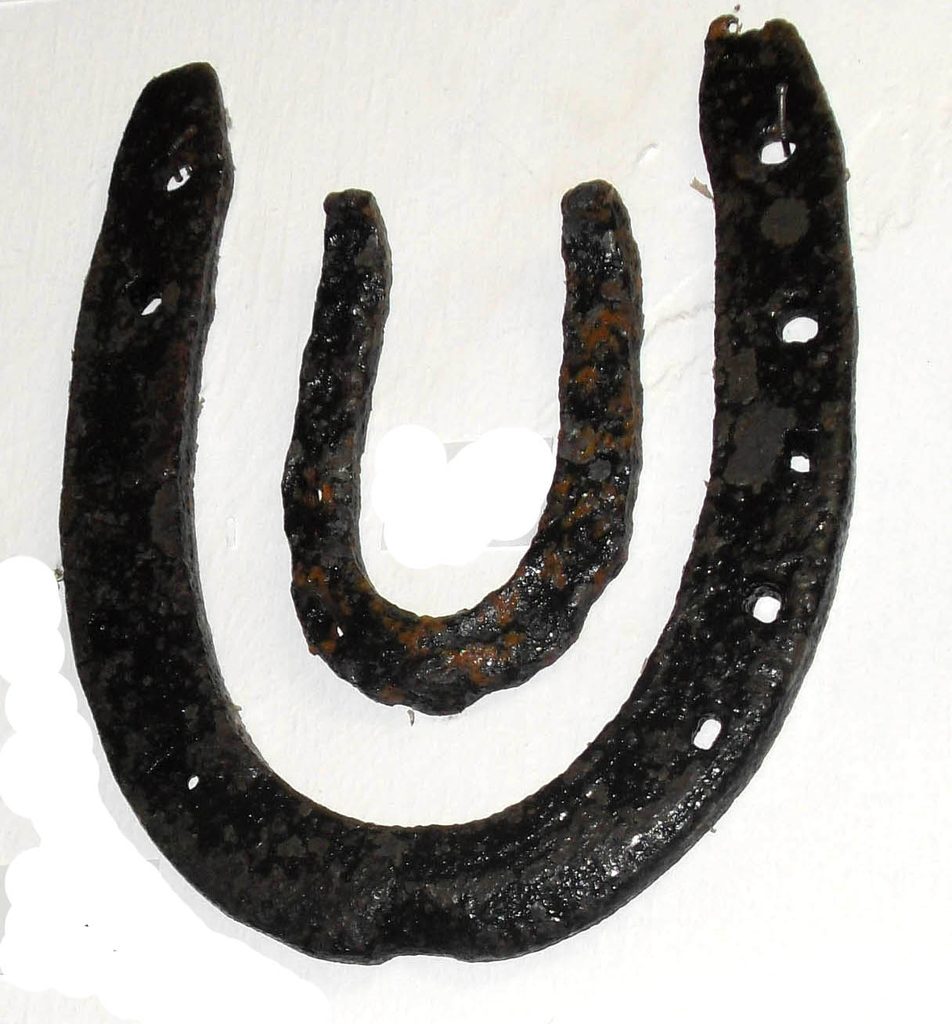
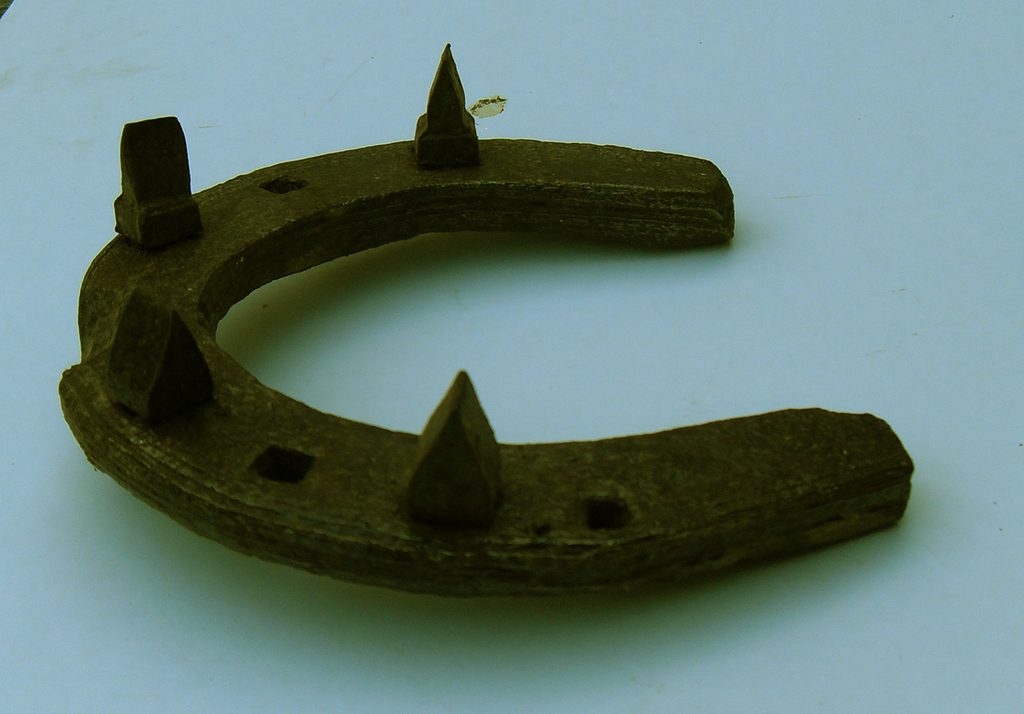

A shoe for working on cobbles. Most early roads in towns were set with either cobbles or wood sets. Both could be slippery when wet.
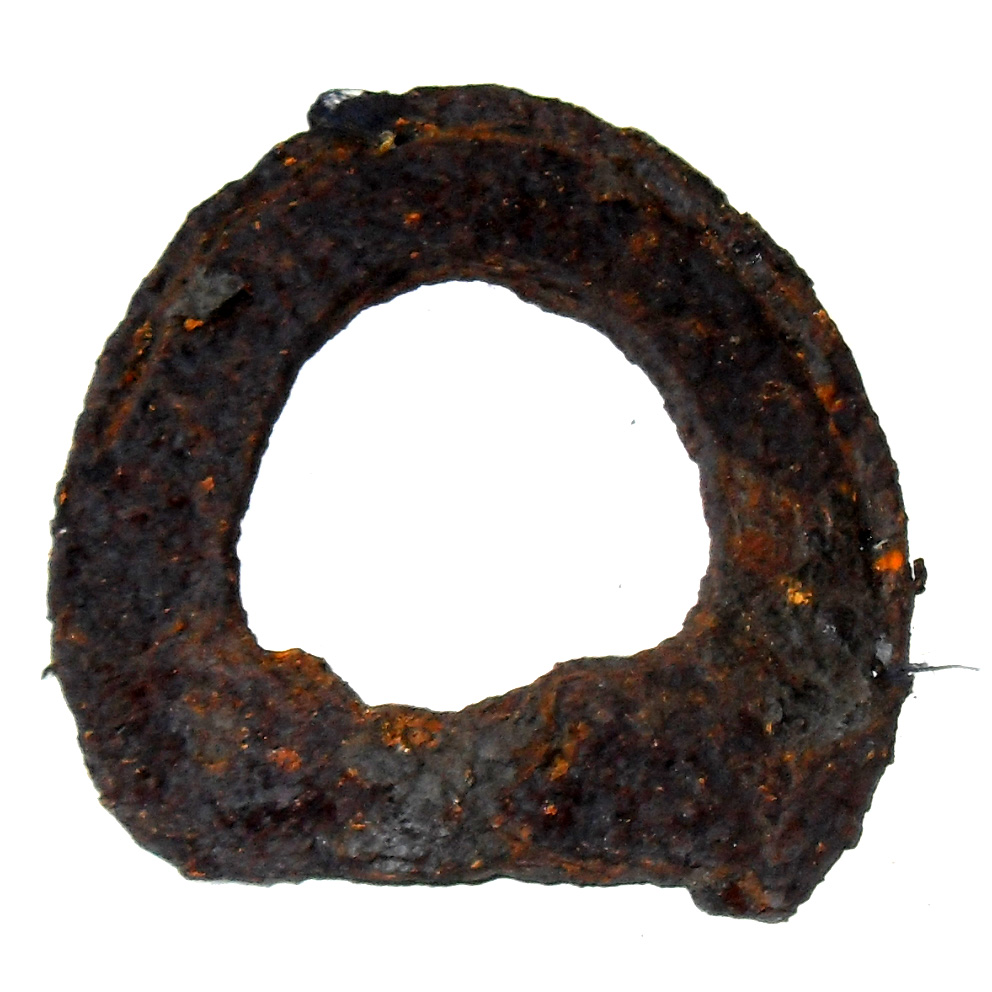
We have hundreds of horse shoes in the collection; only a few are on show. We are very lucky to have acquired the late Doug Bradbury’s collection, which contains many unusual shoes and quite a lot of surgical ones. If you are studying shoes, do contact us and you can see them by arrangement.
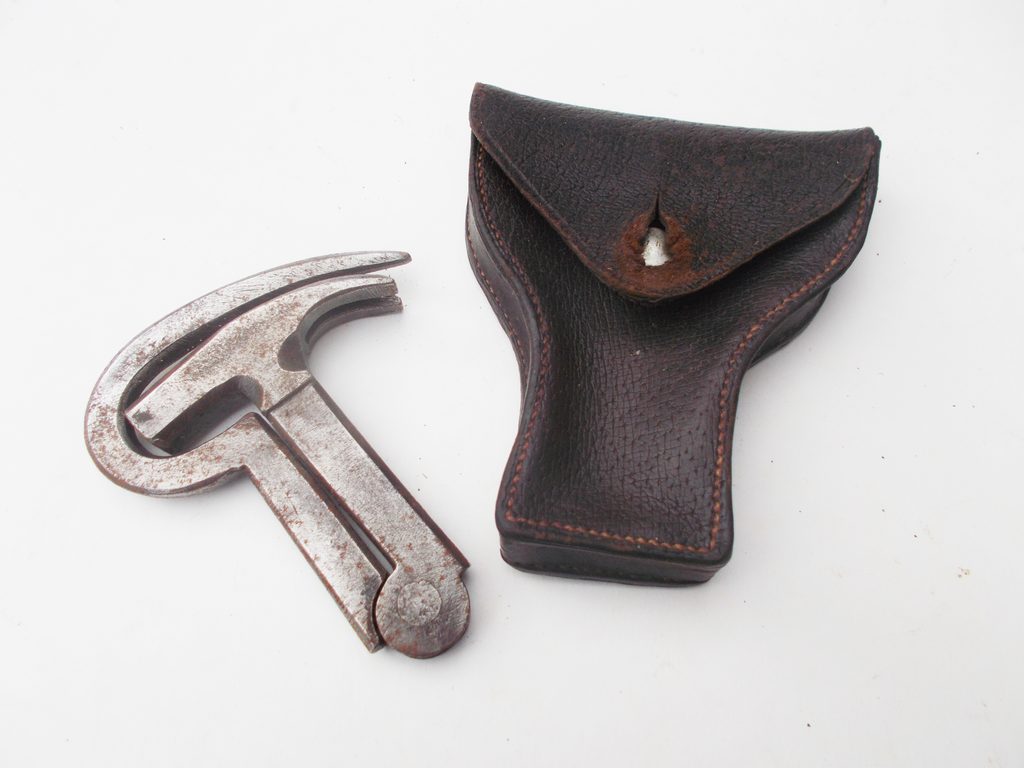
Coachman’s hoof pick. An essential for removing stones from horse’s hooves where they can soon make a horse lame despite the shoes.